
[GAME NAME] is a [TYPE OF GAME] created for [AUDIENCE / PURPOSE].
The client approached Tenmato with [PROTOTYPE / INITIAL ART / EXISTING GAME] and needed help turning the project into a professionally designed tabletop product.
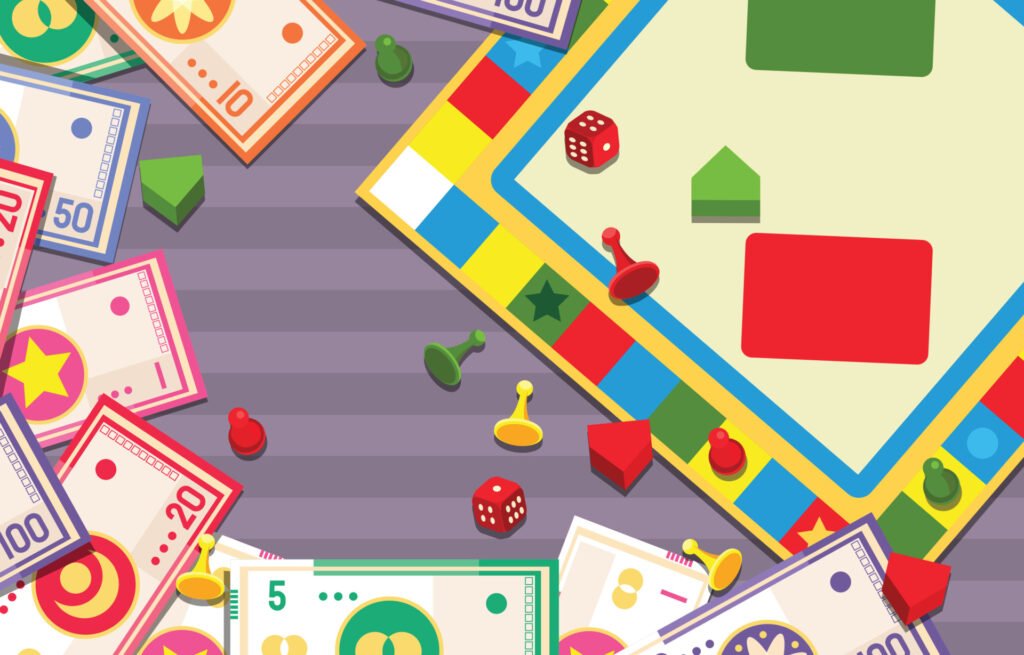
[GAME NAME] is a [TYPE OF GAME] created for [AUDIENCE / PURPOSE].
The client approached Tenmato with [PROTOTYPE / INITIAL ART / EXISTING GAME] and needed help turning the project into a professionally designed tabletop product.
Tenmato was responsible for: BOARD, ICONS, RULEBOOK, PRINT PREPARATION
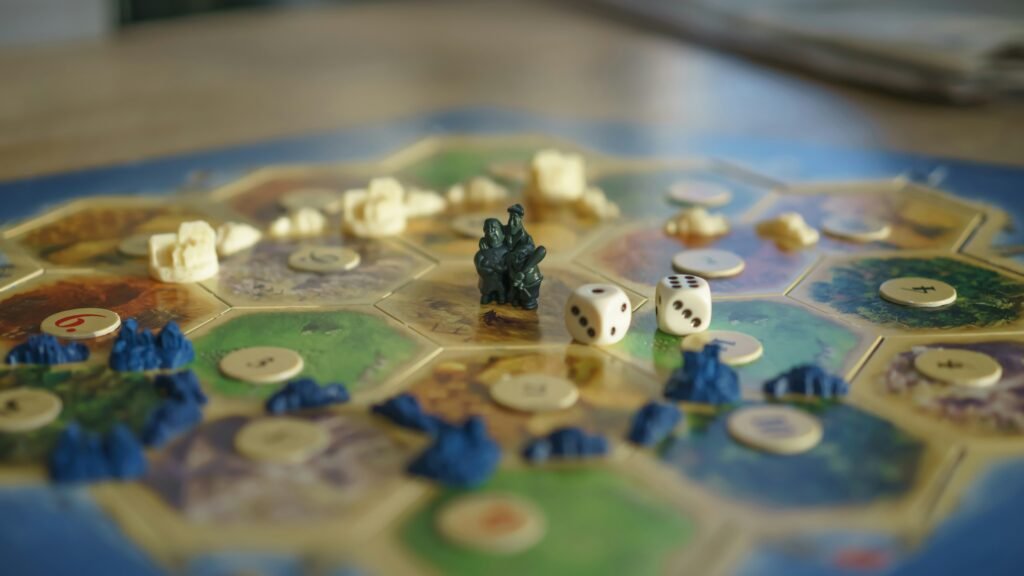

[Explain the real problem.]
Examples:
The game contained more than 150 cards divided into six different categories.
The board contained many gameplay locations but needed to remain easy to navigate.
The game was aimed at children, so information needed to remain simple while the illustration style remained visually engaging.
The project required a large number of unique characters while maintaining one consistent art style.
[Explain specifically how Tenmato solved it.]
Do not write generic statements such as:
“We created a beautiful modern design.”
Instead use measurable information:
“We developed six reusable card templates with a shared typography and icon system, allowing more than 150 cards to remain visually consistent.”
Where applicable, describe how Tenmato prepared the project for physical production:
manufacturer templates
CMYK files
bleed
safe areas
dielines
component sheets
packaging files
Board: [X]
Cards: [XX]
Illustrations: [XX]
Characters: [XX]
Tokens: [XX]
Rulebook: [XX pages]
Packaging: [X]
Production files: [YES]